
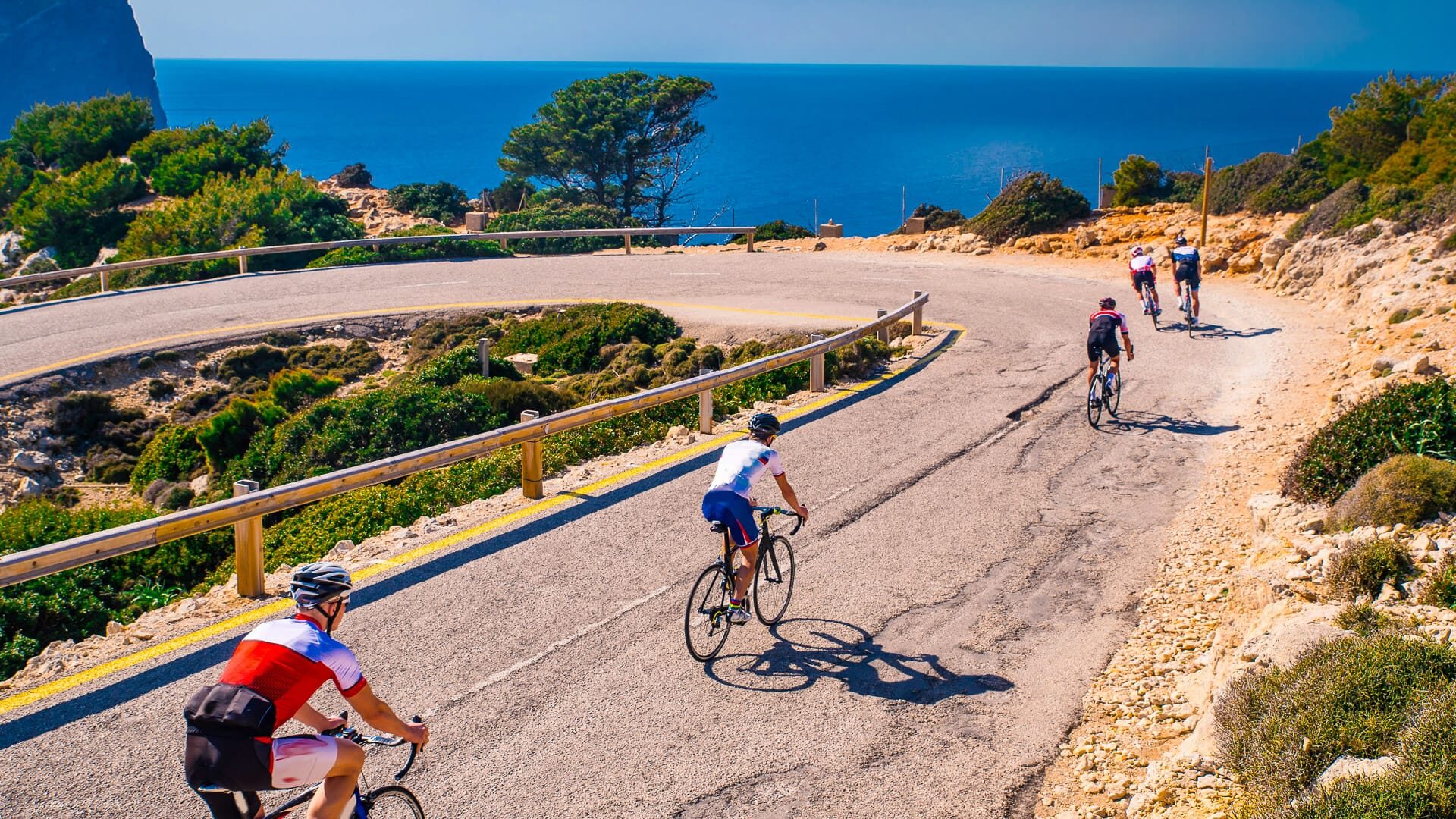
Cycling in Mallorca needs little introduction – this is one of Europe’s most complete cycling destinations, with smooth roads, a fantastic mix of terrain, and scenery that’ll keep you looking up even as the legs are burning.
From gentle lanes lined with cafes throughout the island’s interior, to some of the iconic climbs in the Tramuntana, Mallorca has rewards for every type of rider, whether you’re chasing big days and serious gradients in the mountains or you just want some more relaxed spins between local villages.
I’ve put together this guide to help you plan your own Mallorca cycling holiday, based on my experiences on my three visits to the island. I’ve also written our Mallorca destination guide and spoken with many others who are experts in the island’s cycling opportunities, so this comprehensive guide has plenty of tips.
From my favourite routes to practical tips, read on to find everything you need to start planning your own trip.
Looking for supported Mallorca cycling holidays? Don’t miss our pick of the best Mallorca bike tours to consider.

Clare Dewey is a cyclist with a passion for travel. She set up epicroadrides.com in 2018 to help make it easy for cyclists to explore the world by bike. Today her mission is still inspiring cyclists to discover new places on two wheels - and doing what she can to make sure they have the best possible time while they're there. Clare has visited 50+ destinations around the world, many of them by bike.
Want to connect with Clare? Find her over on LinkedIn.
Tips for Mallorca cycling holidays
1. Why are cycling holidays in Mallorca so great? What’s to love?
Mallorca shines because it’s endlessly adaptable. You can stack steady climbs, roll through vineyard country or spin along ruler-flat lanes, all stitched together by quiet roads and little villages. Routes are easy to tweak on the fly: add a col, skip one, extend for an extra café, or cut things short when the legs say no. It’s cycling on your terms.
For example, if you head to Campanet from the cycling Mecca that is Port Pollenca – you could crest Coll de sa Batalla and then drift back home via Coll de Femenia. Alternatively, if you were feeling fresh, you could keep pushing to the iconic Sa Calobra for a big-ticket day. Another option from Campanet: head towards Deià and Valldemossa and you’d have plenty of choices for the return, either trace the foothills through Lloseta, Selva and Moscari, or swing out towards Santa Maria and Inca for a flatter, quicker return.
Then add the obvious joys that Mallorca offers: a forgiving climate, film-set scenery and straightforward travel. From the UK it’s a short hop; from further afield there are frequent connections via Barcelona and Madrid. On arrival, transfers to Port de Pollença (the hub for countless classic routes) are quick, so you can build a mini- escape without burning half the trip in transit.
Read this section of our ultimate guide to cycling in Mallorca for more insights on getting around the island.
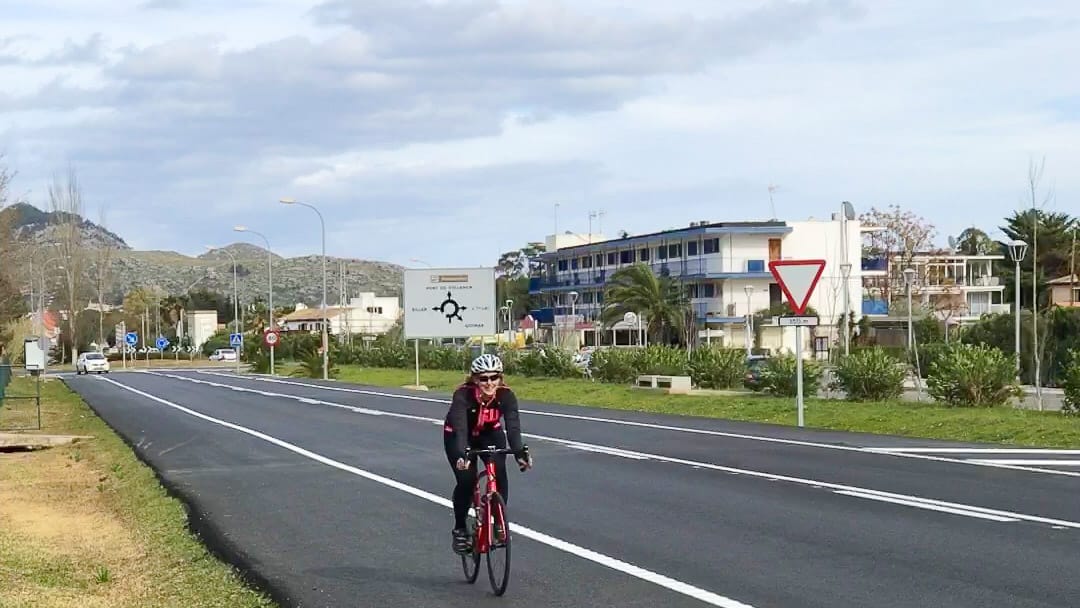
The flat first 14 km of the ride to Campanet Lane
2. What’s your favourite cycle route from Port de Pollenca – and why?
Cap de Formentor, every time. You roll out of Port de Pollença and the road points up almost at once, hairpins carrying you 223 metres to El Mirador de sa Creueta. It sits at 7–8% but those sweeping views over the bay ease the effort. A quick drop over the far side leads to Formentor beach, then the gradients bite again through pine, before the trees give way to rugged grey rock and big sea vistas.
Ignore the side turn for Cala Figuera and aim for the 300-metre tunnel (it’s lit; lift the sunnies). Beyond, the road undulates with sharp little kicks and constant coast-to-coast panoramas. Suddenly the lighthouse appears, a white speck through a gap in the cliffs, and the final switchbacks string out ahead. One last push and you’re at the 1863-built Cap de Formentor lighthouse; time to soak up what you’ve earned.
The way home reverses the lot, with two spicy sections: the valley ramp you flew down becomes a short, punchy climb (about 90 metres in under a kilometre, with ramps nudging 15%), and you’ll need a steady cadence for the 3.4-kilometre pull back to El Mirador de sa Creueta. It’s a classic: dramatic, varied and unforgettable.
For tried-and-tested routes and variations on this loop, check this section of our Mallorca cycling guide and stitch them to your plan.
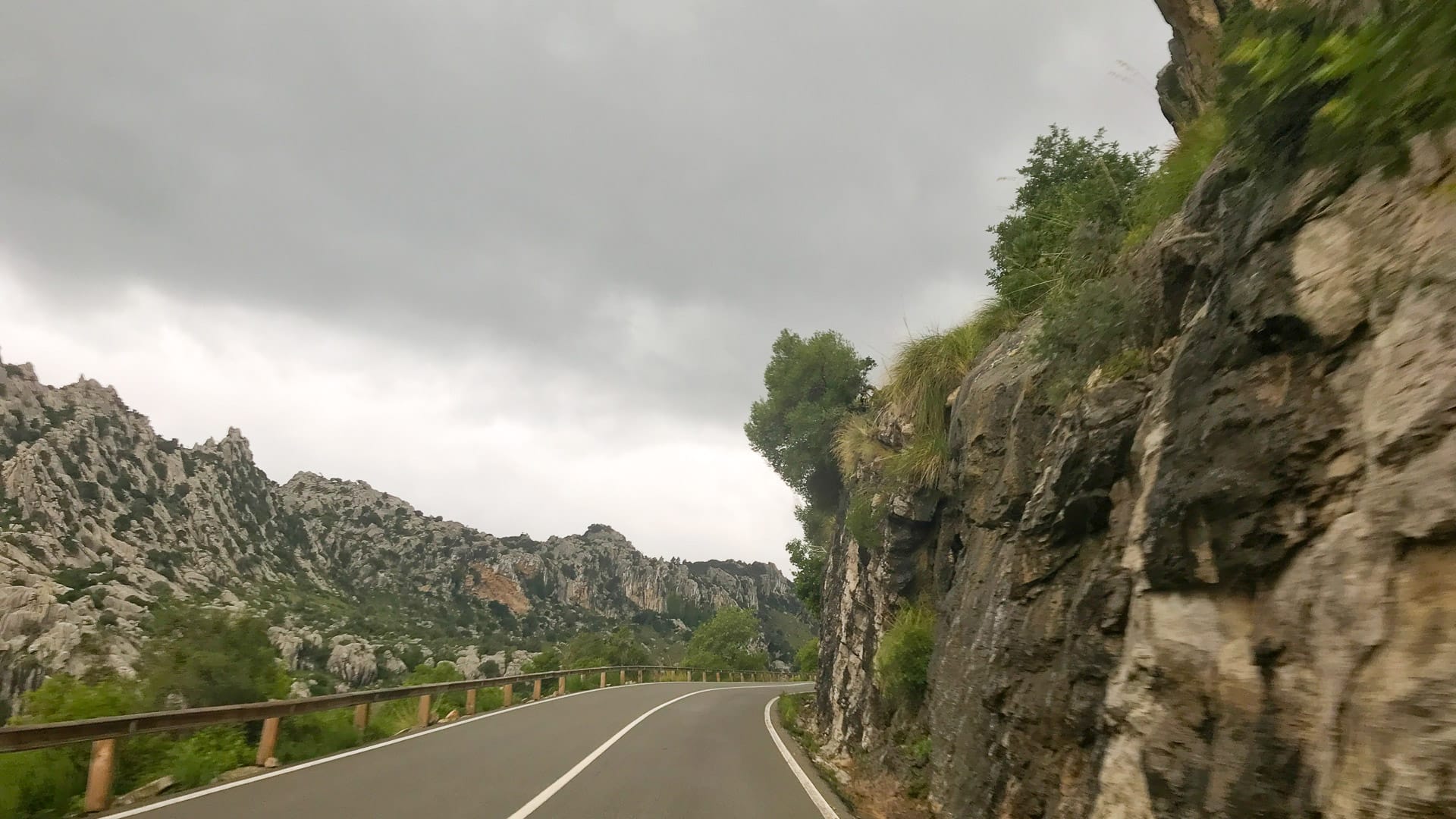
Threatening skies on the way back to Port Pollenca
3. What are the best Mallorca cycling climbs – and why?
1. Sa Batalla
Sa Batalla is the climb many riders keep coming back to. It may not grab headlines like the island’s icons, but it’s a brilliant gateway into the Tramuntana: 7.8 kilometres at an average of 5.5%, steady enough to find a balance without emptying the tank.
The road threads through forest, so you’re rarely staring at a distant summit; that broken sightline helps the head as much as the legs. Expect buttery-smooth asphalt, a gentler middle section and a sting of tighter hairpins near the top. There’s a Repsol station for quick supplies, or drop to Sa Ruta Verde for coffee and cake.
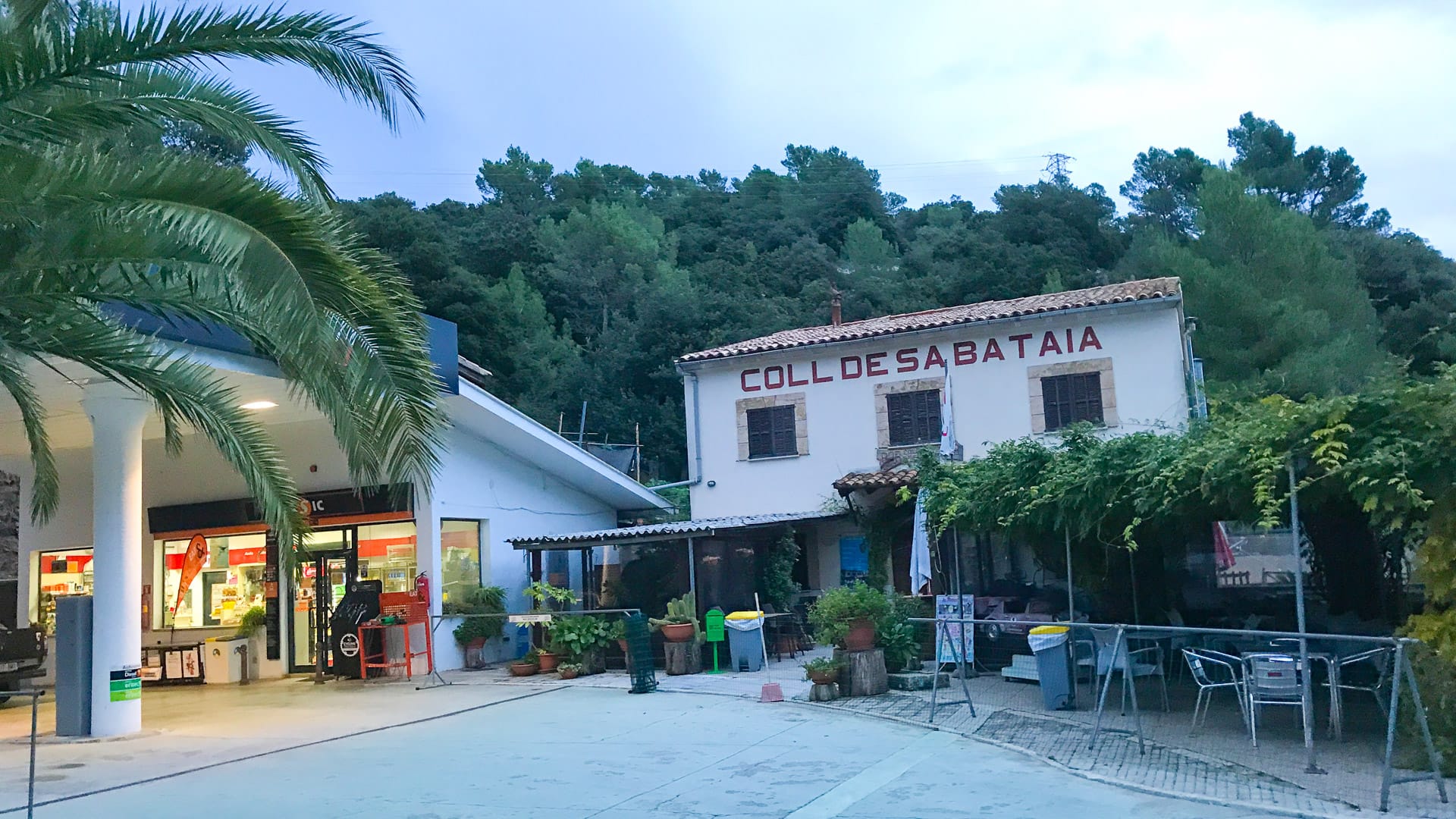
At the top of the Coll de sa Bataia/Batalla
2. Randa
At roughly five kilometres in length, it’s widely accessible, and the gradient stays friendly most of the way.
Tradition says Ramon Llull established the monastery on the summit in 1275 after a dramatic change of heart. The tale goes that he once pursued a married woman through Palma on horseback; to halt him, she bared her diseased chest, shocking him into reflection. Realising what he had become, he sought penance and founded the monastery, which remains active today.
From the top you get sweeping, all-round views across the island. It’s a perfect moment for a photo, and there’s a handy restaurant as well, a favourite spot anywhere on Mallorca for carrot cake. The road surface is smooth, the corners forgiving, and the descent rewards patience with broad sightlines and easy speed on the return.
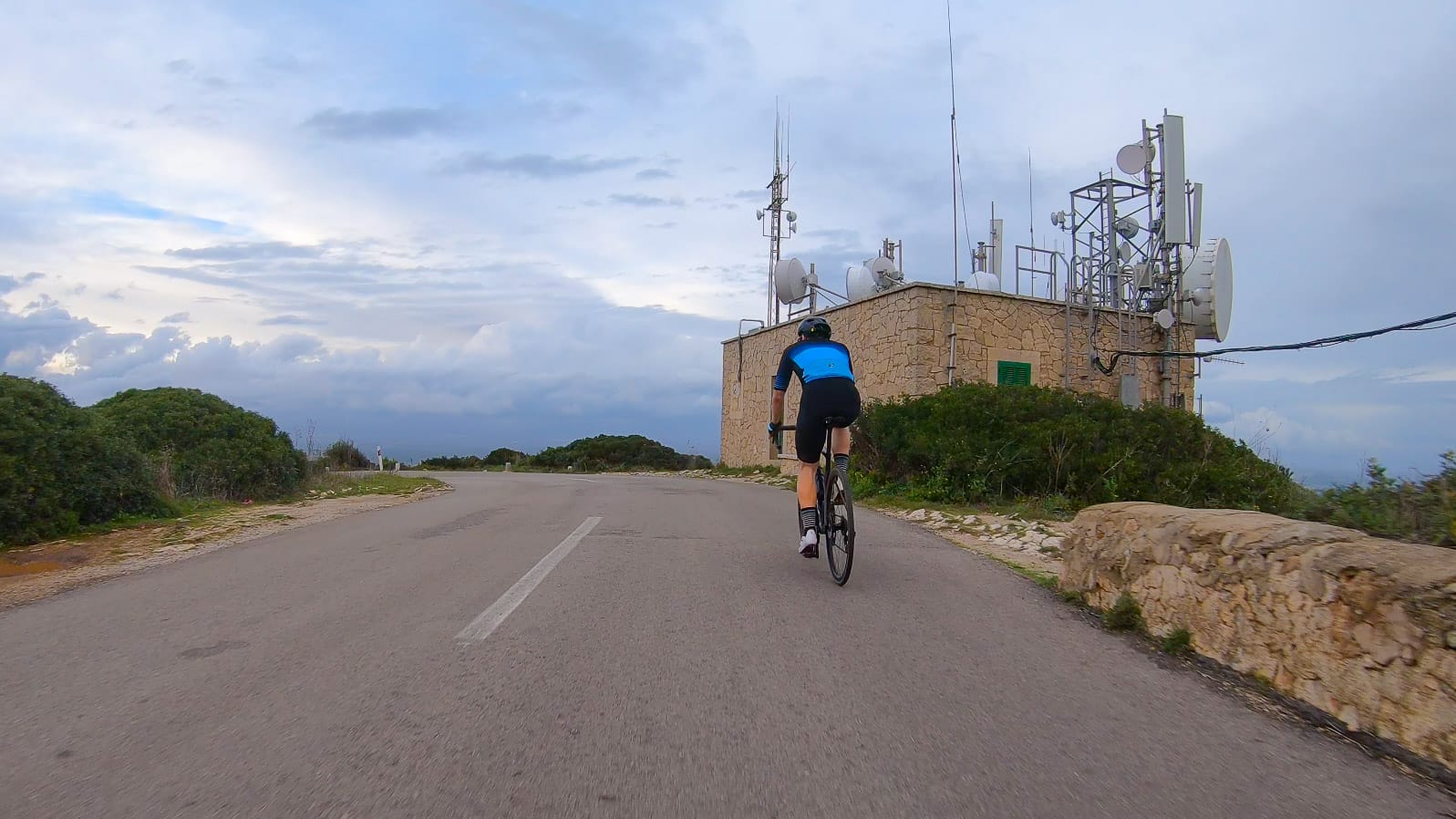
Nearing the Randa summit
3. Coll de Soller
A true Mallorcan classic, Coll de Sóller wins on feel, not fearsome stats. Thanks to the road tunnel taking most cars and coaches, the old Ma-11a stays quiet, letting you enjoy the rhythm of roughly 25-30 hairpins on each side.
From Sóller, slip left before the tunnel and the climb begins at once, shaded and steady as it zigzags through the north face. From the Bunyola side, a varied opener soon feeds into wide, well-surfaced switchbacks with sightlines that invite smooth, flowing cornering. Views switch from sea and the Tramuntana to long vistas towards Palma.
At the top, refuel at Ca’n Topa beside the summit sign or D’alt des Coll a touch further on (check seasonal opening). Light traffic, elegant bends and big scenery, this is pure riding joy.
Dive into this section of our guide to cycling Mallorca for more insights on the island’s iconic climbs.
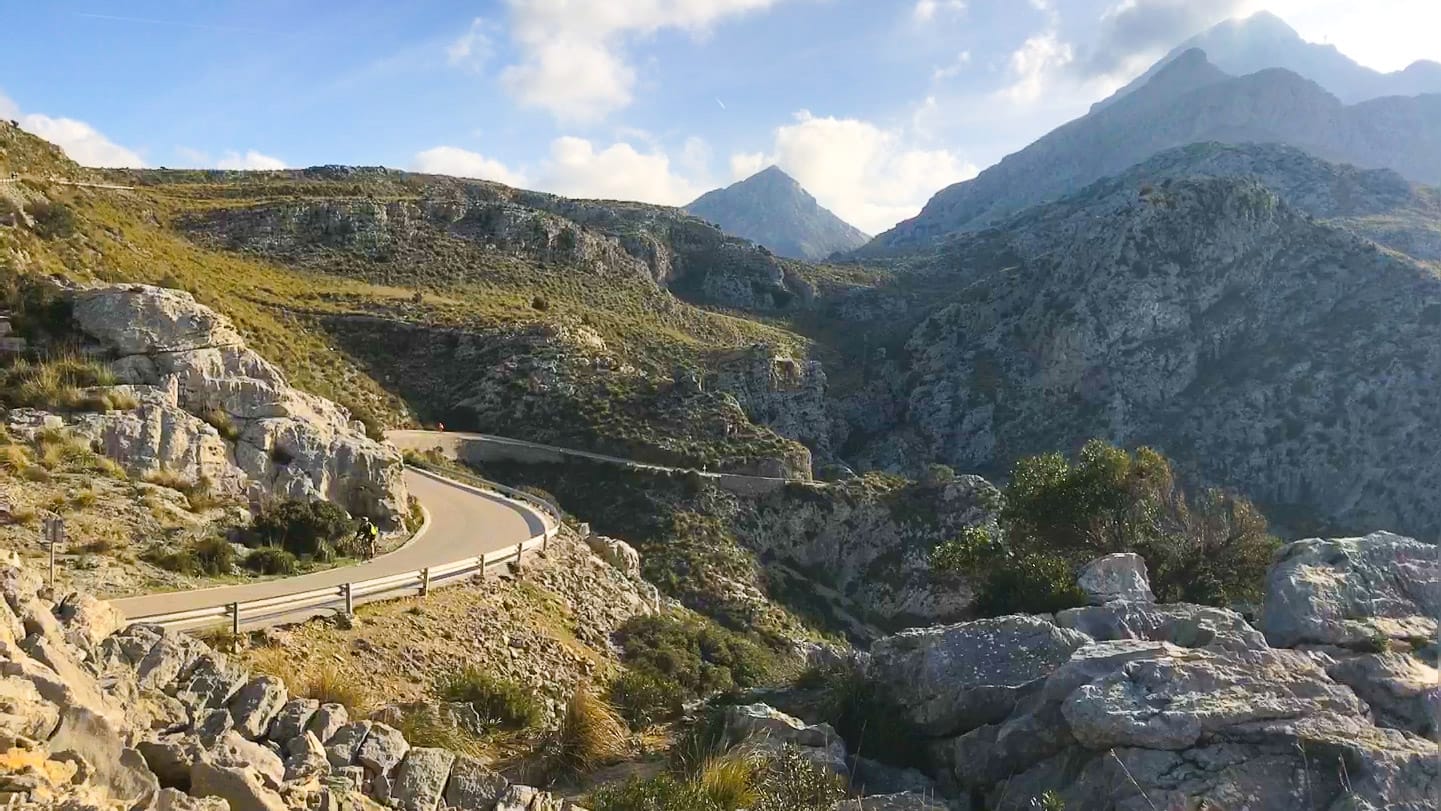
Cycling Coll de Soller
4. What’s your favourite easy route from Port de Pollenca – and why?
I like to head east along the coastline to the Betlem Monastery climb, tucked behind Artà. From the top, the views sweep all the way back to Port de Pollença and the Formentor peninsula and are genuinely striking. The trade-off is the lack of a café at the monastery, but there’s a small, characterful spot back in Artà near the Hotel Sant Salvador. Quiet lanes, light traffic, and plenty of places to refill and refuel.
From Artà, follow the Ma-3333 (signposted Betlem) before turning left for the sanctuary road. The climb averages around 5.5%, with tidy switchbacks and a calm, moorland feel; it’s easy enough to handle without being dull. After a short straight near the top, you tip into a ladder of bends where the first big sea views spill open across Alcúdia and Pollença bays, the Tramuntana and Cap de Formentor—camera time.
Traffic is usually light (especially outside peak season), but the road is narrow and drivers can be distracted by the scenery. Expect the odd goat, mind your lines on the descent, and note that some patches nearer the monastery can still feel bumpy. Top up in Artà before or after, or extend the day with a gentle coastal loop via Colònia de Sant Pere. It’s a low-stress outing with serious scenery-per-kilometre value.
For a quick overview on easy cycling in Mallorca, explore this section of our ultimate guide to cycling in Mallorca.

Broken road surface near the monastery
5. What are your best tips for someone cycling in Mallorca for the first time?
Top tip: build some steady mileage before you fly. No need to go monastic, but four or five 50-mile rides in the three months before your holiday will pay off. Most riders have Sa Calobra and Formentor on their wish list; these are both great rides but demanding, so it’s better to arrive with some training in the legs.
If you’re bringing your own bike, book a full service beforehand. Fresh tyres, unworn brake pads and properly tuned gears save headaches. You don’t want a dream week spoiled by a tired chain or a split sidewall. Hiring is always an option, but a well-prepped bike keeps things simple.
Finally, pack a few spares (tubes, quick links, CO₂ or mini pump) and a lightweight jacket. Conditions can change in the mountains. The island has plenty of shops and mechanics if you need them, yet the aim is to ride, not troubleshoot. A little prep means more café stops, fewer issues and more fun.
For bike-hire advice, see this section of our Mallorca cycling guide.
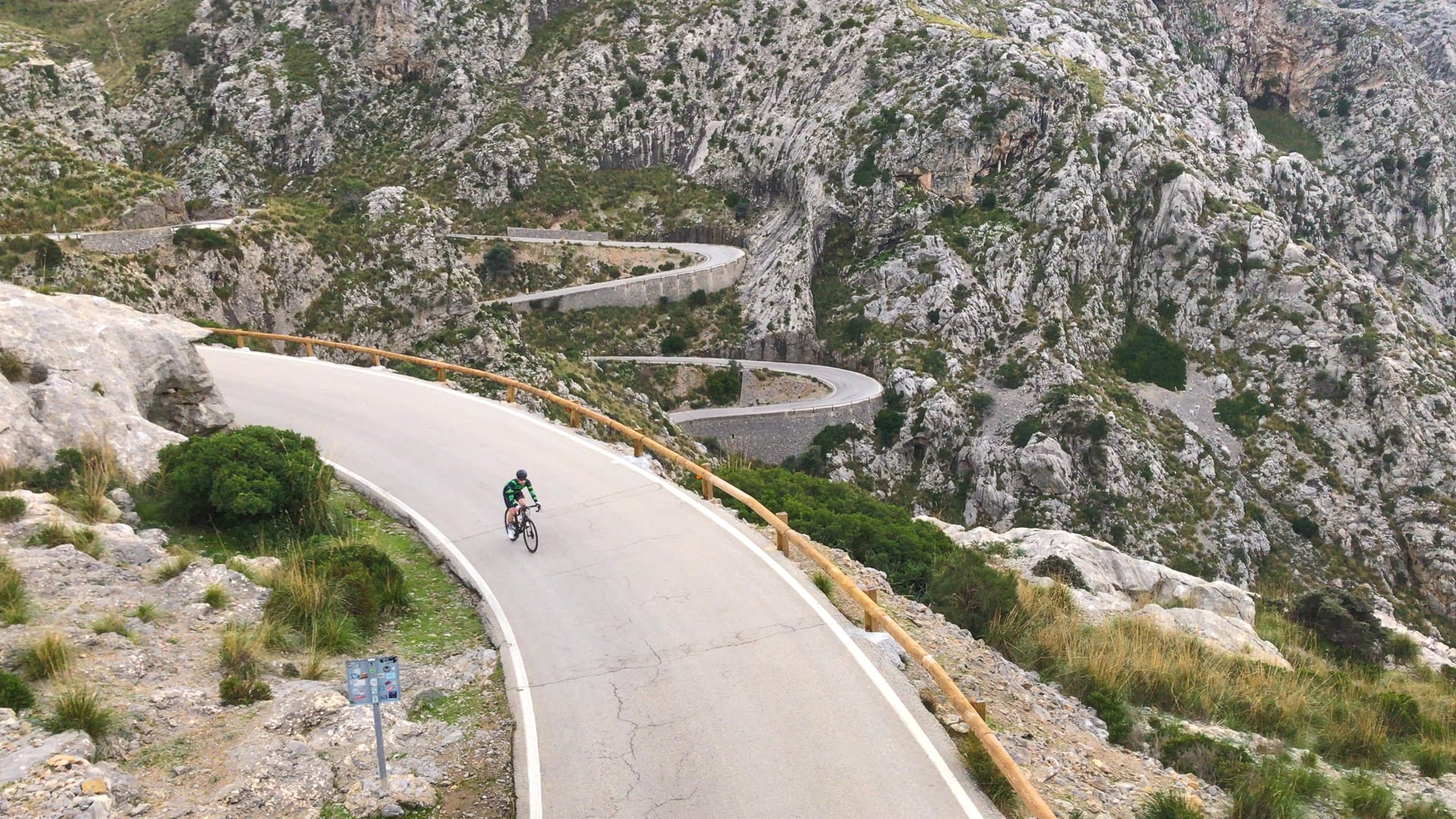
The infamous bends of the Sa Calobra
6. What’s the best time of year to pick for your Mallorca cycling holidays?
Every month has its upside, but May and October stand out. Temperatures are similar: warm without being fierce. Sea breezes keep things comfortable.
In March and April the island buzzes with visiting riders. Mallorca 312 is also in April. The mood is lively, yet May brings a touch more warmth than April while the roads feel that bit calmer.
October usually stays warm too (though warning: we did get torrential rain for a week one year we visited in October; these days it’s impossible to be certain with weather!). With summer tourism fading, the island settles; shops and bars remain open, but the pace drops.
Ready to plan? Explore this section ofour ultimate guide to cycling Mallorca for practical tips on when to cycle in Mallorca.
7. What tour operators do you suggest if you’re looking for more support?
If you’d rather not DIY everything (hotel research, route planning, transfers, bike logistics and so on), an organised trip can be a great shout. Mallorca has tour operators offering everything from daily guided rides and coaching to airport transfers, bike hire, and a support vehicle with water/snacks.
Top tip! Always double-check inclusions and group sizes before you book. What’s included can vary by week/season.
See our Mallorca cycling holiday tours review for our pick of the best options. Our article on “what to ask before you book” should also be useful.
8. Where to stay in Mallorca when you want the best base for cycling?
For many riders, Port de Pollença and Port d’Alcúdia are the go-to cycling hubs. They offer loads of bike-friendly hotels, easy access to iconic climbs and flatter loops. You’ll also find plenty of bike hire options right in town. Staying in this bay means the Tramuntana Mountains, Formentor lighthouse and east coast routes are all within reach, so you can tailor your days without long transfers. There’s also a lively cycling community here most of the year, which makes for a fun, supportive atmosphere at dinner and after rides.
If you’re after a quieter, more local feel without sacrificing route choice, inland towns like Campanet or Alaró keep you close to both gently rolling lanes and mountain roads. Sóller is another great pick if your focus is the hills, with the Tramuntana’s best climbs right on your doorstep and plenty of cafés to celebrate post-ride. For those who want a practical base with big-name hotels and easier airport access, areas closer to Palma/Palmanova can work well, though we find the roads here tend to be busier.
For a more detailed breakdown of hotels and towns, see our full guide to where to stay in Mallorca for cycling.
What’s next?
- Cycling Mallorca, my destination guide covering when and where to cycle and other practical tips.
- Mallorca 312, a guide to one of Europe’s most famous sportives taking place over 312 kilometres.
- Where to stay in Mallorca, tips on some of the best places to stay for cycling on the island.
- 10 must-do cycling climbs in Mallorca, including the famous ones and some lesser-known routes.
- 22 invaluable tips for cycling in Mallorca, covering routes, times of the year and more.
Please support Epic Road Rides
A huge amount of time and effort goes into the article you’ve just read, all with the aim of helping you!
If you found what you’ve read useful, I’d really appreciate it if you dropped something in the tip jar here.
It’s a way you can say thank you and help us carry on creating top quality content with no annoying ads and no pay wall.
Looking for an organised cycling trip?
If you want someone to help you plan and book your cycling holiday, fill out this form. We aren’t a tour operator/agent but we work with lots of people who are and will do our best to put you in touch with someone that can help (within 24 hours where possible)!Clare Dewey is a cyclist with a passion for travel. She set up epicroadrides.com in 2018 to help make it easy for cyclists to explore the world by bike. Today her mission is still inspiring cyclists to discover new places on two wheels - and doing what she can to make sure they have the best possible time while they're there. Clare has visited 50+ destinations around the world, many of them by bike.
Want to connect with Clare? Find her over on LinkedIn.
Last Reviewed: 26 January 2026
First Published: 14 April 2020
The contents of this website are provided for general information purposes only. It is not intended to amount to advice and you should not rely on it. You should carry out your own due diligence and risk assessments and take professional advice. Views expressed by interviewees or other users of this website do not necessarily represent our views. We make no representations, warranties or guarantees, whether express or implied, that the content on our website is accurate, complete or up to date. If you use any information or content on this website, download from, or otherwise obtain content or services through our website, it is entirely at your own discretion and risk. Epic Road Rides Ltd disclaims all liability and responsibility arising from any reliance placed on the information and content on this website. Find out more here.
Comments